EMDR for therapists: books, training, videos and tests

What the method is, which books to read, how to choose a training, what to watch and which scales to give a client. Books and training come from open lists and official pages, not from ads.

In short

EMDR (Eye Movement Desensitization and Reprocessing) is a structured eight-phase therapy for traumatic memories, developed by Francine Shapiro in the late 1980s. The client recalls a distressing memory while following bilateral stimulation, usually guided eye movements, under the therapist’s direction.

Developed by
Francine Shapiro, late 1980s
Format
Eight-phase protocol
Guidelines
WHO guidance, 2013: referral for CBT or EMDR should be considered for PTSD
Related
Trauma-focused CBT, IFS, somatic therapy

Primary sources: WHO: guidance on mental health care after trauma, 2013, EMDR Institute: what is EMDR

Books

EMDR books

Books from our shelves that fit the method. A separate shelf for the method is being built.

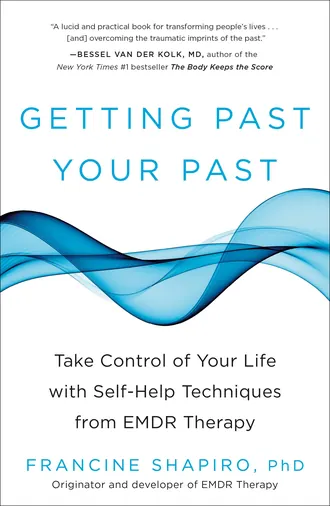
Getting Past Your Past
Getting Past Your PastFrancine ShapiroFor clients
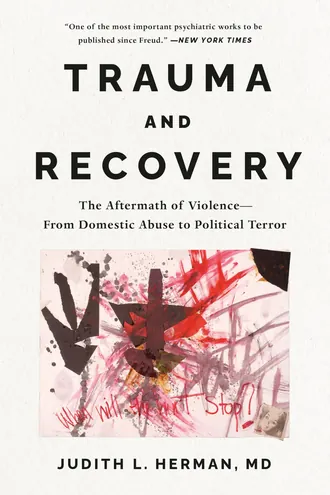
Trauma and Recovery
Trauma and RecoveryJudith Herman
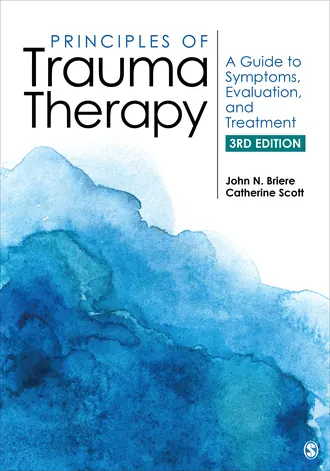
Principles of Trauma Therapy
Principles of Trauma TherapyJohn N. Briere, Catherine Scott

Training

EMDR training

A directory, not a school: we do not run courses or sell places. Each programme links to the organiser’s site, shows the check date and, for some, where it is listed.

How we collect. We take programmes from registries of professional associations and from the official pages of institutes and universities. The description is ours; programme, entry requirements and price are on the organiser’s site. We are not paid for a place in the list.

EMDR Institute, USA

EMDR Basic Training

Two-weekend basic training from the institute of the method’s founder. Each weekend combines teaching with supervised small-group practice, and case consultation on real clients is required to complete it.

Format
Live online or in person
Language
English
For
Licensed doctors, nurse practitioners and master’s-level clinicians; pre-licensed clinicians under supervision
Checked: November 1, 2026Organiser’s site


EMDR Europe Association

Accredited trainers and approved courses

The association’s registry of trainers and organisations accredited to teach basic EMDR training, grouped by country, with a section for courses outside Europe that meet its standard.

Format
See each trainer
Language
English and national languages
For
Licensed psychotherapy practitioners; national associations may add criteria

Listed byEMDR Europe (the registry itself)

Checked: November 1, 2026Organiser’s site

EMDR Association UK

Standard accredited training

The UK association’s list of accredited basic training providers. It states that a course not on the list is not accredited by EMDR Europe, which matters for joining the association.

Format
See each provider
Language
English
For
See each provider; entry rules are set by the provider

Listed byEMDR Association UKEMDR Europe

Checked: November 1, 2026Organiser’s site

EMDR Association of Australia

EMDR Basic Training

The association’s description of its 50-hour basic training: teaching, a facilitated practicum with the standard protocol and consultation with an accredited consultant. A directory lists the accredited trainers.

Format
See each trainer
Language
English
For
Registered mental health professionals with two years of clinical counselling experience

Listed byEMDRAA

Checked: November 1, 2026Organiser’s site

Northumbria University, UK

Postgraduate Certificate in EMDR Therapy

A one-year distance-learning certificate in two modules, covering the eight phases, the evidence base and theory, then complex populations, ethics and dissociation, taught by accredited consultants. The university states that the course is accredited by EMDR Europe.

Format
Distance learning with face-to-face sessions
Language
English
For
Registered mental health professionals working with trauma; see the page for the full list
Checked: November 1, 2026Organiser’s site

How to choose a programme

  1. Who recognises it: a professional association registry or an accredited provider list.
  2. How much practice under supervision or consultation is included.
  3. Who teaches and with what experience in this method.
  4. What you get at the end: a certificate, a path to certification or only knowledge.
  5. Entry requirements: the licence or qualification you need first.

Videos

EMDR videos

Only official channels of organisations and authors. A video opens on YouTube after you press play; until then the page makes no requests to third-party sites. We do not copy videos or publish transcripts.

EMDR for First Responders: When Your Clinical Toolkit Isn’t Enough | Webinar Replay

Channel: EMDR Institute · Checked: November 1, 2026

A webinar replay on the role of EMDR therapy with first responders and the main considerations when treating trauma in this group, addressed to clinicians.

Open on YouTube ↗

Stepping Into The Light: What to Expect from the EMDR Therapy Trainings

Channel: EMDR Institute · Checked: November 1, 2026

Institute trainers describe what its trainings are like: the learning setting, attention to complex trauma and dissociative symptoms, and how the training is updated.

Open on YouTube ↗

Roger Solomon on Applying EMDR Therapy Across Cultures and Complex Traumas

Channel: EMDR Institute · Checked: November 1, 2026

Institute trainer Roger Solomon talks about moving from scepticism to advocacy, adapting the protocol to different needs and using EMDR across cultures and with complex trauma.

Open on YouTube ↗

Tests

Tests and scales for EMDR

Short validated scales used in the work to see the starting level and change over time. They are screening, not a diagnosis.

PCL-5

Trauma

PTSD test

20 questions · about 5 min

CBT

Many tests can be sent to a client as a link: look for the “Send to a client” button on the test page, and the result comes to your email. If answers show signs of risk, the test shows a screen with help lines.

FAQ

EMDR questions

How do I choose an EMDR training?

Check who recognises the programme (an association registry or an accredited provider list), how much practice under consultation it includes and who teaches.

Which scales go with trauma work?

Therapists often use PCL-5 for post-traumatic symptoms and ITQ for complex PTSD, then repeat them to see change. Both are on our site, and PCL-5 can be sent to a client as a link.

Do I need a licence to take an EMDR training?

Requirements depend on the country and the provider. Read the entry requirements on the programme page.

An assistant for your practice. Sessio takes care of your notes, client history, schedule and website.

See how it works