




Somatic therapy for practitioners: books, training, videos and tests

Somatic therapy brings together body-oriented approaches: Somatic Experiencing, Hakomi, bioenergetic analysis and Sensorimotor Psychotherapy. They share attention to the client’s bodily experience (sensation, posture, breathing, nonverbal reactions), not only to what the client says.

The method in short

Founders
Somatic Experiencing: Peter Levine; Hakomi: Ron Kurtz; bioenergetic analysis: Alexander Lowen, who trained with Wilhelm Reich; Sensorimotor Psychotherapy: Pat Ogden
Common ground
The client’s bodily experience: sensation, posture, breathing, nonverbal reactions
Training length on the institutes’ pages
SE: 6-8 modules of 4-6 days over 2.5-3 years; Hakomi: usually 60 days (325 contact hours); Sensorimotor Level 1: 78 hours; bioenergetic analysis: 4-5 years
Associations
EABP (Europe), IIBA (bioenergetic analysis), SEI (Somatic Experiencing), HEN (Hakomi)

Primary sources: SEI: what Somatic Experiencing is, IIBA: what bioenergetic analysis is, HEN: what Hakomi is

We give you information and answer for how we select it. Check terms, prices and dates with the organiser.

Character Analysis
Character AnalysisWilhelm Reich
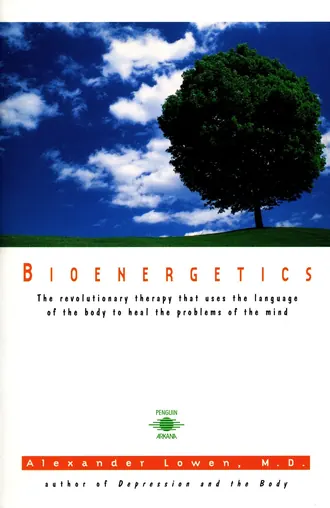
Bioenergetics
BioenergeticsAlexander Lowen

Somatic training

We do not run courses. Each programme has a link to the organiser and a check date.

Somatic Experiencing International, USA

SEP Professional Training

The professional training run by Somatic Experiencing International for people who work with those under stress and trauma: 6-8 modules of 4-6 days over 2.5-3 years, with lectures, live demonstrations and practice with fellow students. Becoming an SE Practitioner requires personal SE sessions.

Format
Live modules in sequence
Language
English
For
No requirements listed; the 3-hour SE Basic Principles course is recommended first
Organiser’s siteChecked: November 1, 2026


Sensorimotor Psychotherapy Institute, USA

Sensorimotor Psychotherapy, Level 1: Trauma

The first level of the institute that teaches the approach founded by Pat Ogden: 78 hours in hybrid online, live online, hybrid in-person or in-person formats (in-person currently only in the UK and Europe). Topics include foundations and therapeutic maps, resourcing, instinctive defenses and structural dissociation.

Format
Online or in person, by format
Language
English
For
Clinicians legally permitted to practise psychotherapy, graduate students and post-graduate students qualifying for that; 3 hours of consultation with an approved institute consultant are required
Organiser’s siteChecked: November 1, 2026

Hakomi Institute, USA

Hakomi Comprehensive Training

The institute’s main route to learning the whole Hakomi Method: usually 60 training days (325 contact hours), taken as two years or starting with Year One. Format is hybrid, online or in person, depending on the regional team.

Format
Hybrid, online or in person
Language
English
For
Professionals and graduate students in psychotherapy, counseling and social work; people from related fields are welcome. In the US, at least 12 hours of an introduction workshop
Organiser’s siteChecked: November 1, 2026

IIBA, international

Training to become a Certified Bioenergetic Therapist

The institute’s own description of the path: affiliated local societies teach the IIBA curriculum over at least four to five years, with 140 hours of personal bioenergetic therapy and 50 hours of supervision. Certification is granted by a local training committee.

Format
Run by local societies
Language
Varies by society
For
No entry requirements listed; certification requires a valid licence to practise psychotherapy
Organiser’s siteChecked: November 1, 2026

EABP, Europe

EABP-accredited body psychotherapy training institutes

The association’s list of 17 full-length body psychotherapy trainings in 8 countries that went through self-assessment and mutual recognition. It names, for example, Hakomi Institute of Europe in Germany and the Italian school of Reichian analysis. EABP’s separate training standards page sets about 1,400 hours over at least four years.

Format
See each institute
Language
Varies by institute
For
Set by each institute; EABP’s training standards page names a relevant first degree or equivalent and at least 24 hours of prior personal body psychotherapy

Listed byEABP FORUM accreditation (the association’s own list)

Organiser’s siteChecked: November 1, 2026

How to choose a programme

  • Recognition. A professional association registry or an accredited provider list.
  • Practice. Hours under supervision and live discussion of your own cases.
  • Teachers. Experience in this particular method.
  • Outcome. A certificate, a path to certification or only knowledge.
  • Entry. Whether you need a base qualification and proof of practice.

Somatic videos

All videos on methods

Origins of Somatic Experiencing® as told by Peter A. Levine, PhD

Channel: Somatic Experiencing International · Checked: November 1, 2026

Peter Levine, the founder of the method, tells how Somatic Experiencing began. The video has no description beyond its title.

Open on YouTube ↗

Nature’s Lessons in Healing Trauma: An Introduction to Somatic Experiencing® (SE™)

Channel: Somatic Experiencing International · Checked: November 1, 2026

An introductory talk on the physiological basis of trauma and on Somatic Experiencing as developed by Peter Levine.

Open on YouTube ↗

Why the Body with Dr. Pat Ogden

Channel: Sensorimotor Psychotherapy Institute · Checked: November 1, 2026

Pat Ogden talks about the body’s role in therapy, the limits of talk therapy and her own path to developing Sensorimotor Psychotherapy.

Open on YouTube ↗

Somatic associations and institutes

Practitioner registries, training standards, conferences. The links go to official sites; the descriptions are ours.

international

Somatic Experiencing International (SEI)

The training body for Somatic Experiencing: runs the SEP professional training, a training calendar, a practitioner directory and a list of organizers by country.

Official siteChecked: November 1, 2026

international

Sensorimotor Psychotherapy Institute

Trains clinicians in Sensorimotor Psychotherapy, an approach founded by Pat Ogden. The site lists the three training levels, trainers, certification coaches and a therapist directory.

Official siteChecked: November 1, 2026

international

IIBA, International Institute for Bioenergetic Analysis

A non-profit professional organization for bioenergetic analysis. Local societies run the training on the IIBA curriculum and certify Certified Bioenergetic Therapists; the site lists societies by region.

Official siteChecked: November 1, 2026

international

EABP, European Association for Body Psychotherapy

A not-for-profit association registered in the Netherlands. Publishes training standards and a list of accredited institutes, runs a body psychotherapist search and holds congresses.

Official siteChecked: November 1, 2026

Tests and scales for Somatic

All tests

Short scales to see the starting level and change over time. They are screening, not a diagnosis.

PCL-5

Trauma

PTSD test

20 questions · about 5 min

CBT

Many tests can be sent to a client as a link (a button on the test page), and the result comes to your email. If answers show signs of risk, the test shows help lines.

Somatic questions

How do I choose a somatic therapy training?

Choose the school first: each has its own institute, length and requirements. On the programme page check the hours or days, the entry requirements, whether personal therapy and supervision are included and who issues the certificate. For example, becoming an SE Practitioner requires personal SE sessions, and IIBA certification lists 140 hours of personal therapy and 50 hours of supervision.

How is Somatic Experiencing different from bioenergetic analysis?

Somatic Experiencing is built around the nervous system and defensive responses left incomplete under stress and trauma; clients build tolerance for difficult sensations gradually, at their own pace. Bioenergetic analysis draws on Reich and Lowen on character and muscular tension as defense, and today adds work with relationship, attachment and trauma.

Which scales can be used alongside somatic methods?

We have scales for trauma work: PCL-5 (20 questions), ITQ (18 questions) and ACE (10 questions, adverse childhood experiences). They are not tied to one school. Each can be sent to a client as a link and repeated later to see change.

Do I need a licence for a somatic training?

Requirements depend on the school, the country and the provider. Sensorimotor Level 1 is meant for clinicians legally permitted to practise psychotherapy and for graduate students; Hakomi also welcomes people from related fields; IIBA certification requires a valid licence to practise psychotherapy. Read the entry requirements on the programme page.

An assistant for your practice. Sessio takes care of your notes, client history, schedule and website.

See how it works